
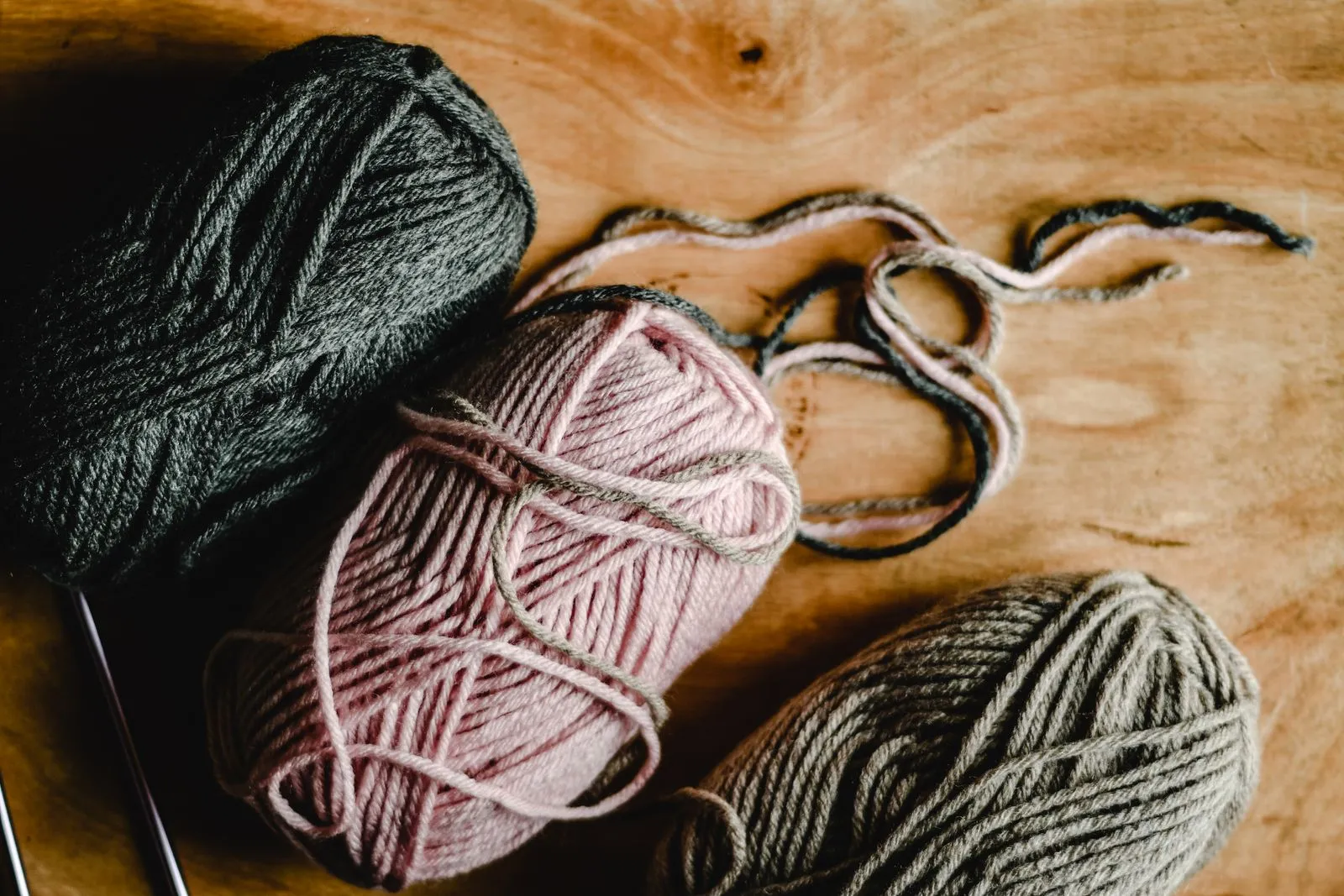
The right yarn can make a first knitting project easier to start and more enjoyable to finish. Before choosing a color, check the yarn’s weight, fiber, and care instructions, then compare them with your pattern. These details affect how your stitches look, how the fabric feels, and whether the finished item is practical to use. You don’t need to memorize every yarn label. A few simple checks can help you find a forgiving match.
Understand Yarn Weight
Yarn weight describes thickness, not how heavy a ball feels. Common categories range from lace and fingering, which are very fine, to bulky and super bulky, which are much thicker. Worsted weight sits near the middle and is a common choice for beginner patterns because the stitches are easier to see and the yarn is manageable on the needles.
Use the weight named in your pattern as your starting point. A different thickness changes the size of your stitches and the dimensions of the finished project. Check the yarn label for its weight category, and don’t rely on the yarn’s name or appearance alone. If you substitute yarn, knit a gauge swatch and compare it with the pattern before continuing.
Pick a Practical Fiber
Fiber affects softness, warmth, stretch, durability, and care. Wool is warm and elastic, which can help stitches bounce back into shape. Cotton is breathable and often machine washable, but it has less stretch and can feel firm on the needles. Acrylic is usually easy to care for and widely available. Blends combine qualities, such as wool’s elasticity with another fiber’s easier care.
Think about how you’ll use the finished item. A dishcloth needs a washable fiber suited to frequent use; a scarf may call for warmth and softness. Read the care instructions before buying, especially if the project will need regular washing. If possible, touch the yarn first and check whether it feels comfortable against your skin. A beautiful skein is less useful if you don’t enjoy working with it.
Read the Yarn Label
A yarn label is a quick guide to using that particular yarn. Look for the weight category, fiber content, suggested needle size, gauge information, and washing instructions. The label also lists the amount of yarn in the ball or skein, often by both weight and length. Compare the pattern’s required yardage with the label’s length to estimate how many balls you need.
Buy enough yarn for the project at the same time when you can. Even yarn sold under the same color name can vary slightly between dye lots, which are batches dyed together. Check that the dye-lot numbers match across skeins. Keep the labels until your project is finished; they contain details you may need for washing or for finding more of the same yarn.
Match Yarn to Your Pattern
For a first project, choose a pattern that states its yarn weight, needle size, gauge, and required yardage. A simple scarf, washcloth, or basic hat can help you practice without complicated shaping. Smooth, light-colored yarn makes individual stitches easier to see. Very fuzzy, dark, slippery, or highly textured yarn can hide mistakes and make it harder to count stitches.
Follow the pattern’s yarn recommendation when possible, especially for your first attempt. If you choose a substitute, match the weight and fiber as closely as you can, then make the gauge swatch using the needles you plan to use. If you get too many stitches per inch, try larger needles; if you get too few, try smaller ones. Measuring the swatch helps the finished project come out closer to the intended size.
For a friendly first pick, look for smooth yarn in the weight your pattern calls for, with a fiber and care routine that suit the finished item. Check the label, buy enough, and swatch before you commit. If you’d like help comparing options, Purl & Peak can help you find a yarn and beginner pattern that work well together.